

Attics • Bars • Basements • Bedrooms • Closets • Crawl Spaces • Dining Rooms • Family Rooms • Garages • Hobby Rooms • Kitchens • Laundry Rooms • Living Rooms • Sheds • Shelves • Spare Rooms • Storage Units • Tool Rooms
Call the rest, then hire the best because... We Deliver What We Promise!
Household Liquidation Specialist™


Specialty Services
Cards • Coins • Comics • Firearms • Food Donations • Guitars • Jewelry • Lighters • Telescopes
Coins
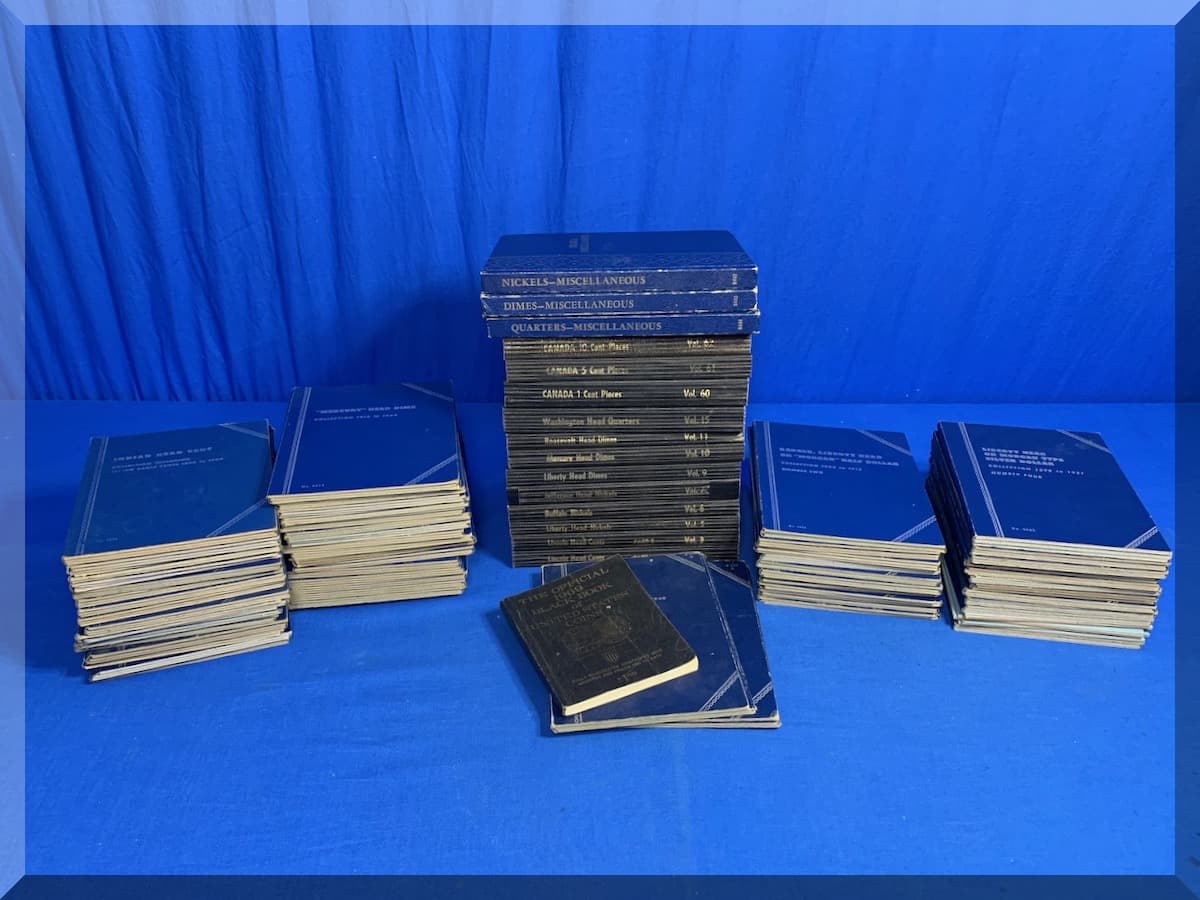
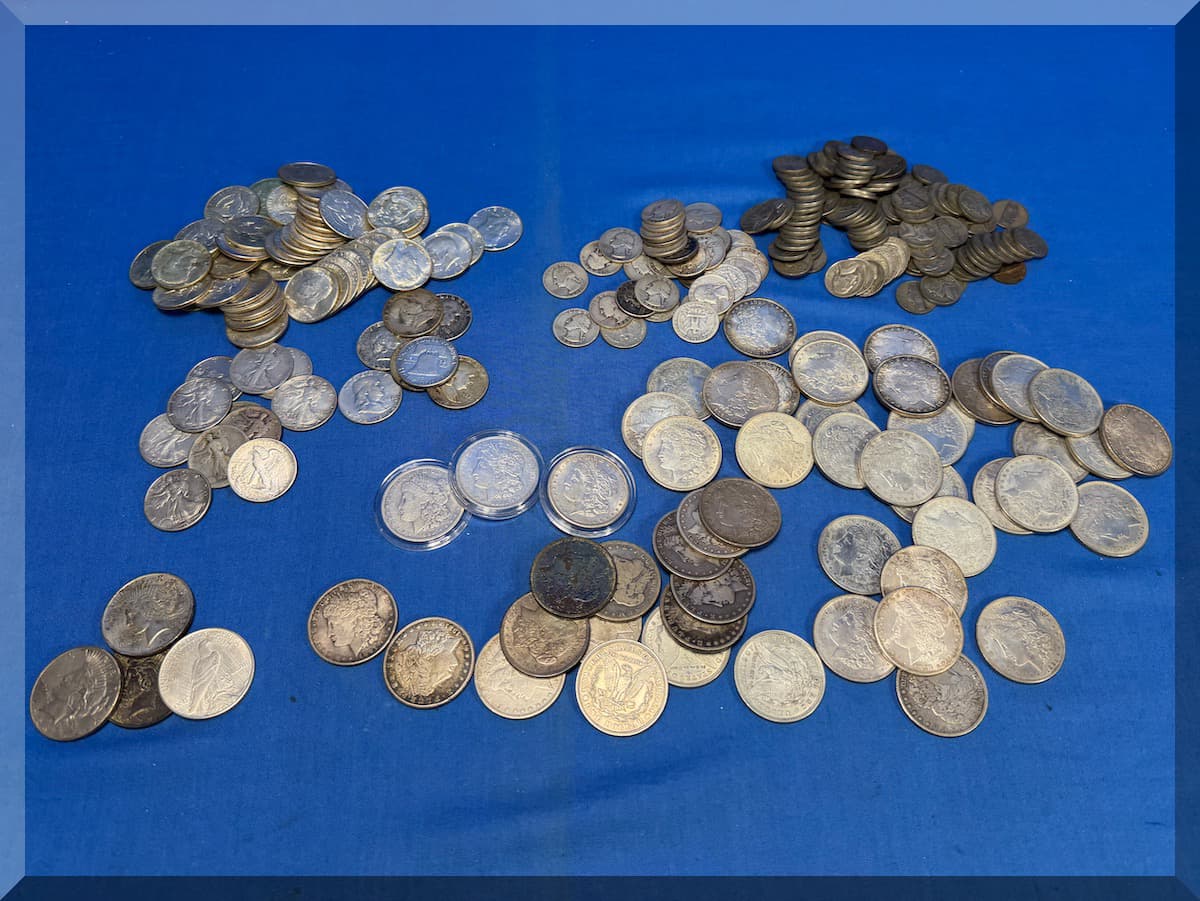
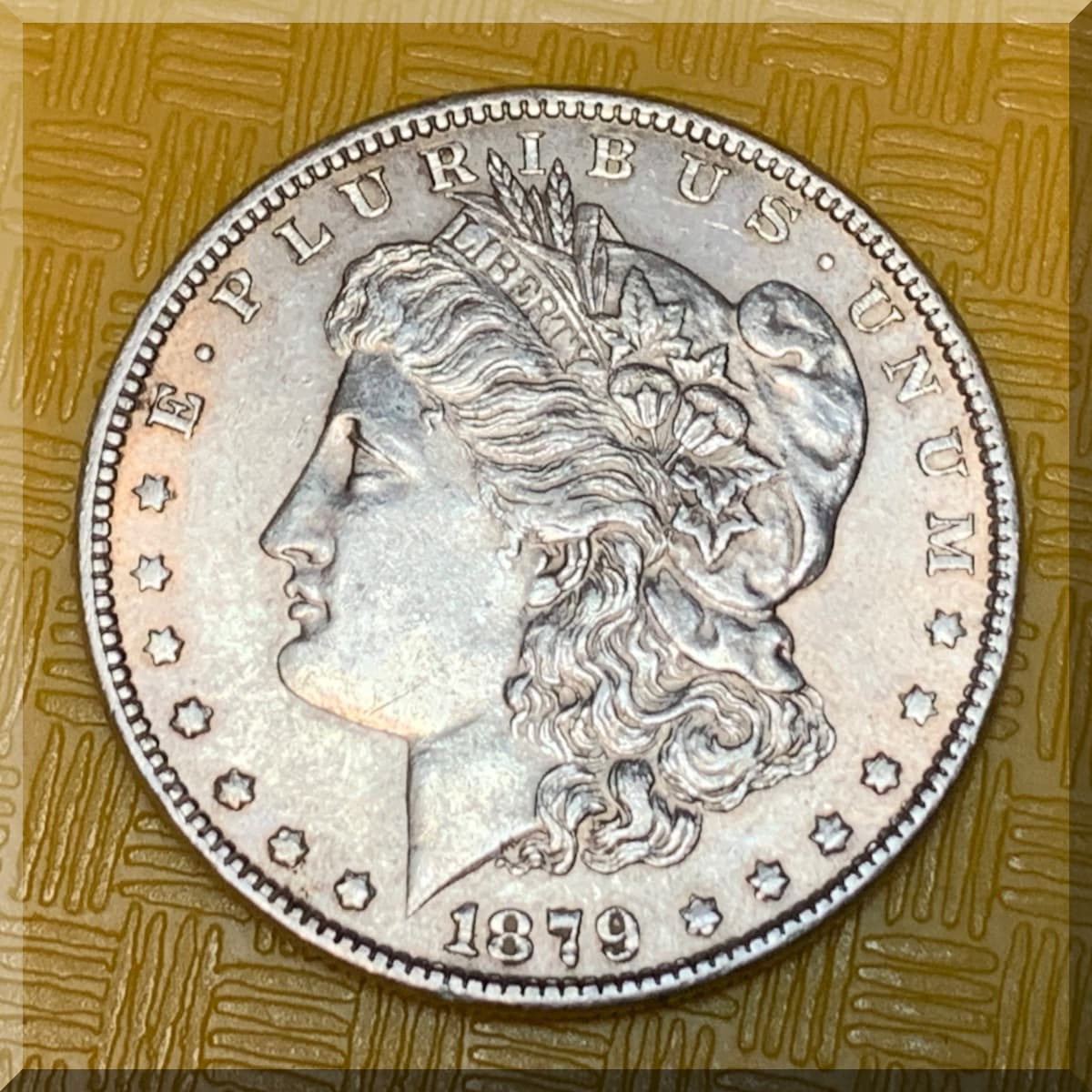
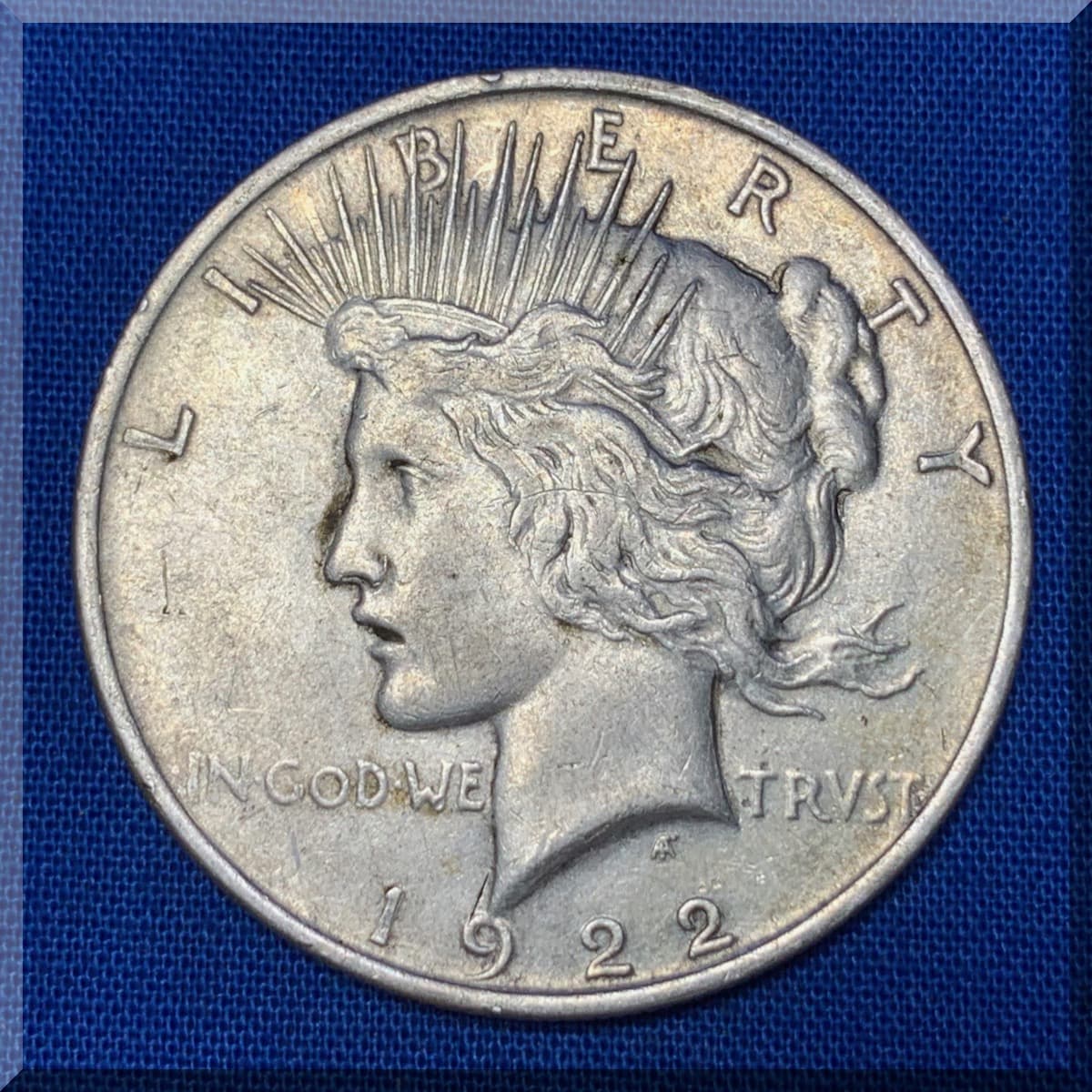
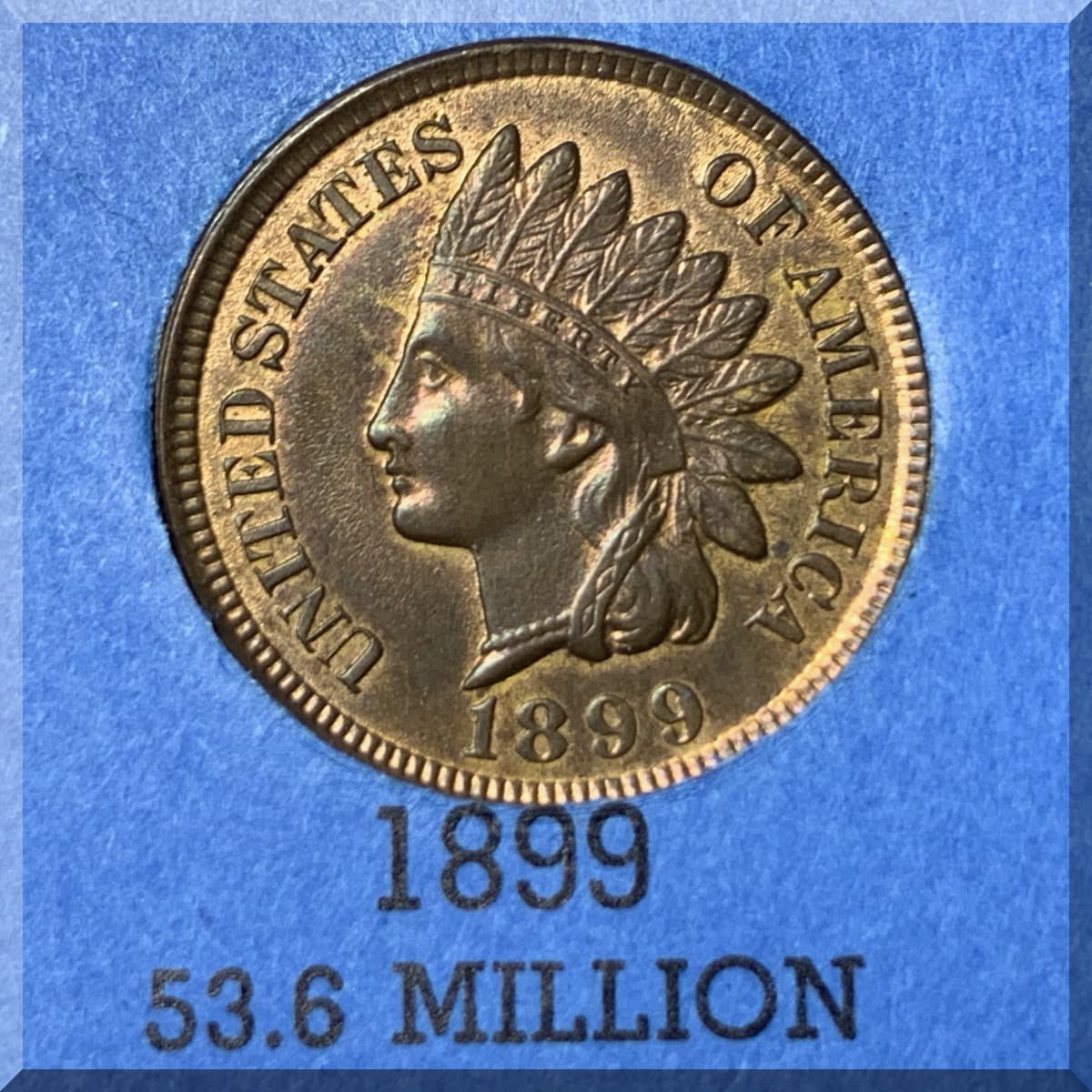
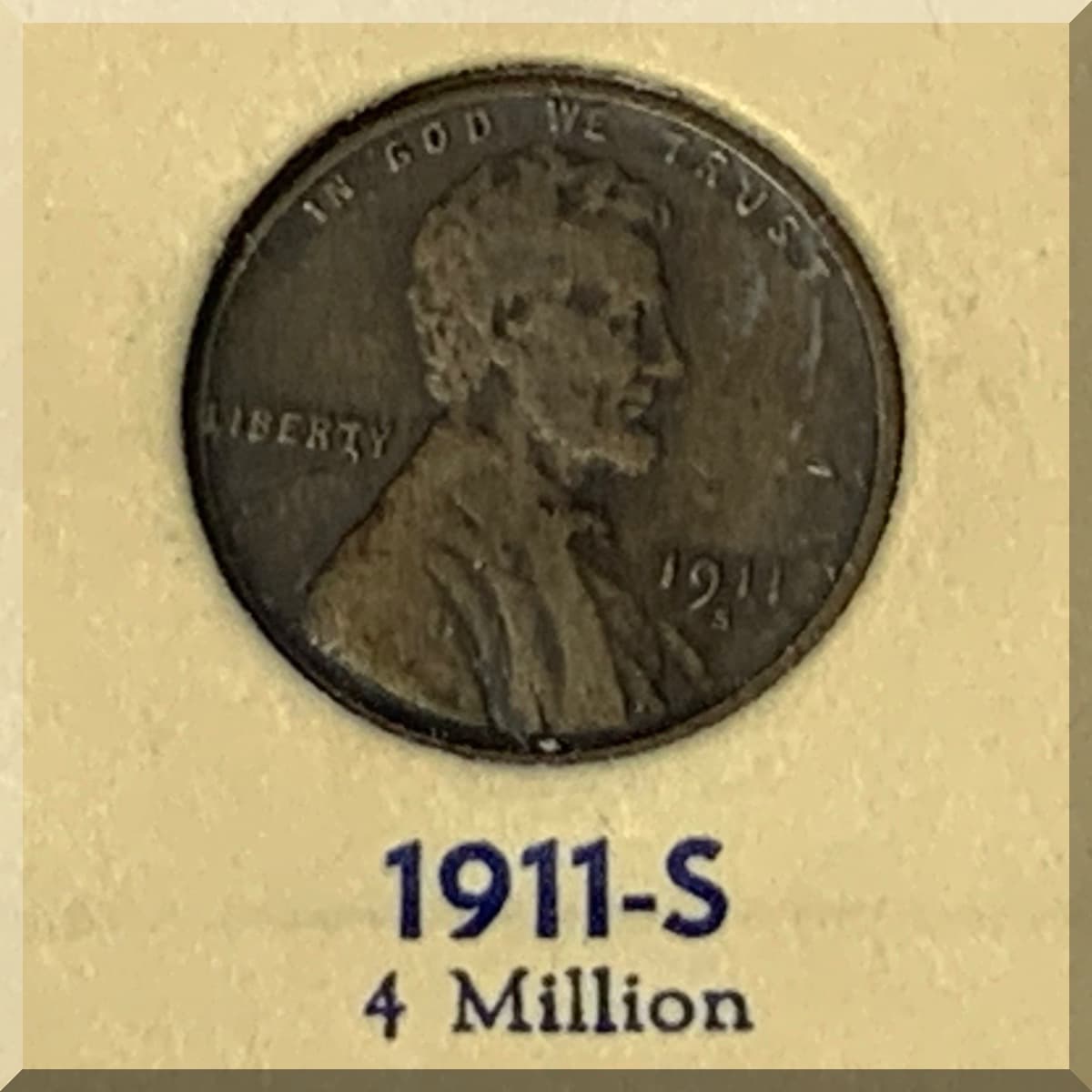
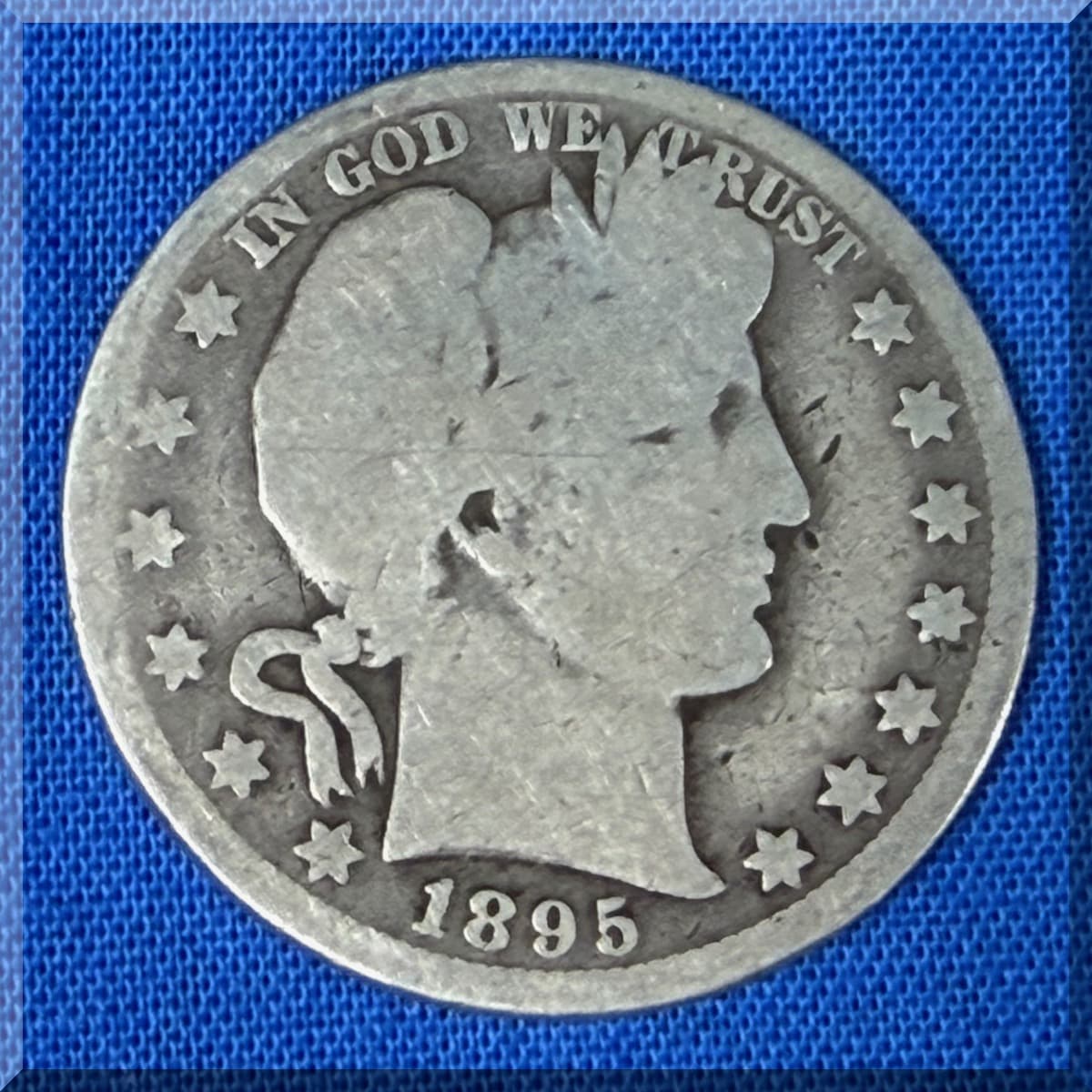
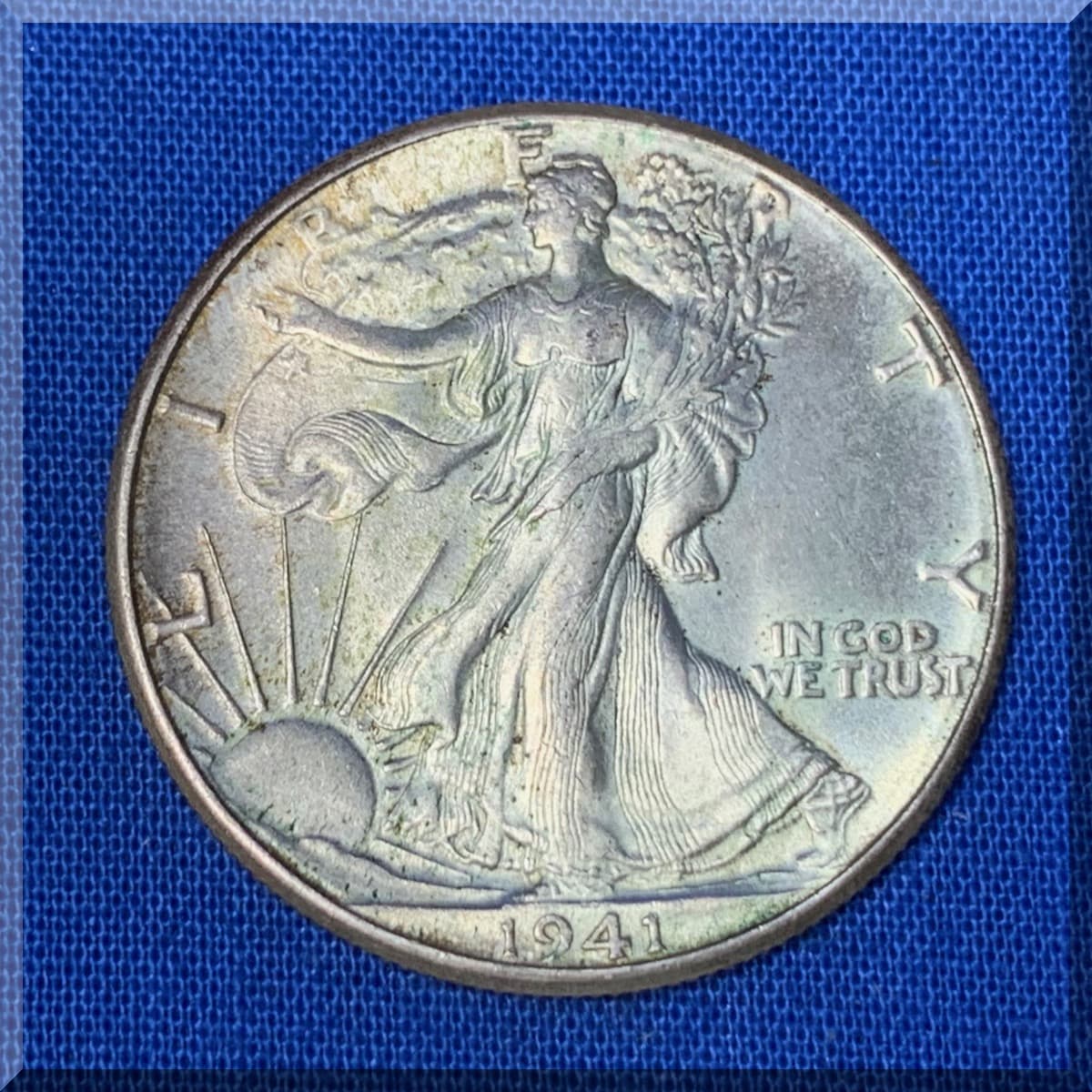
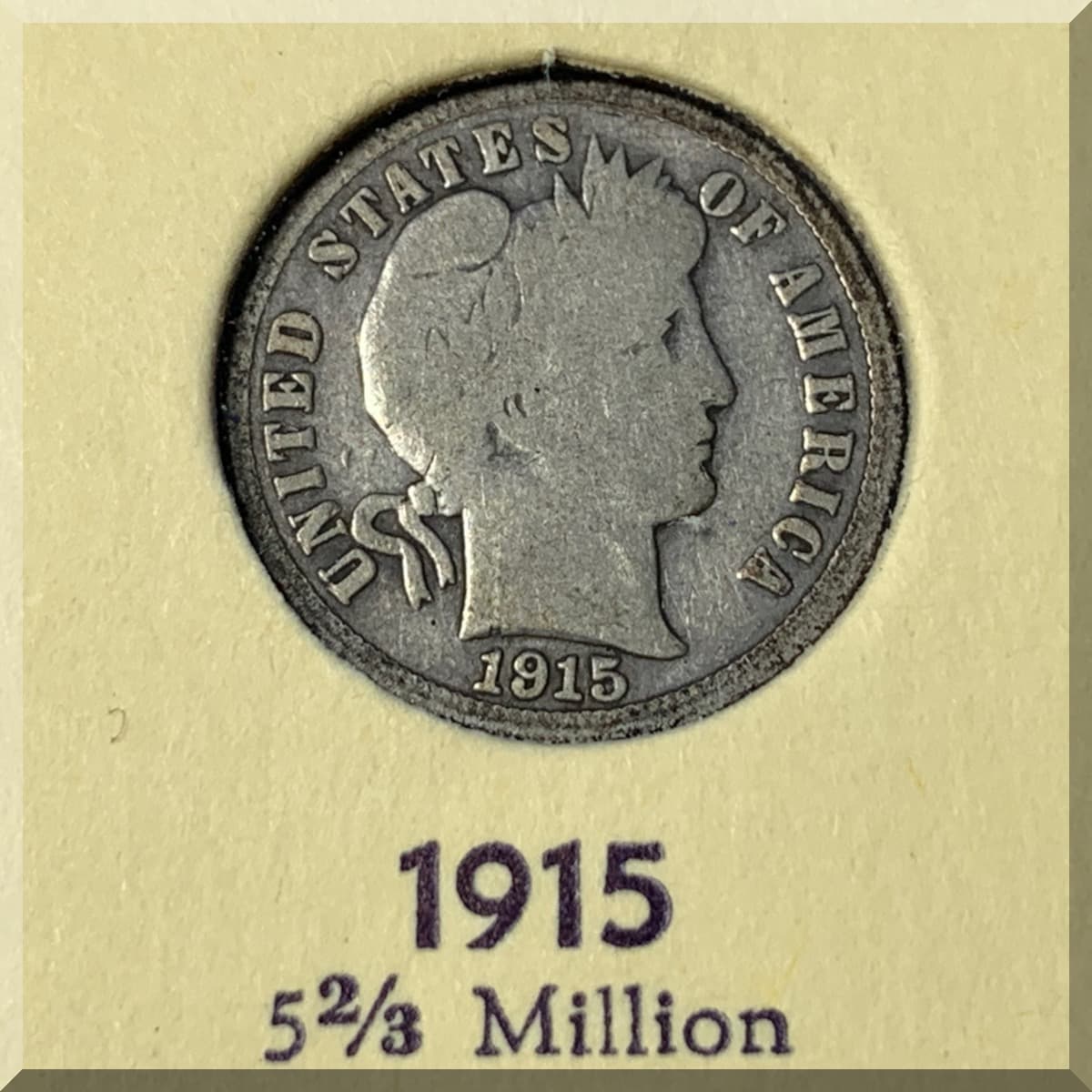
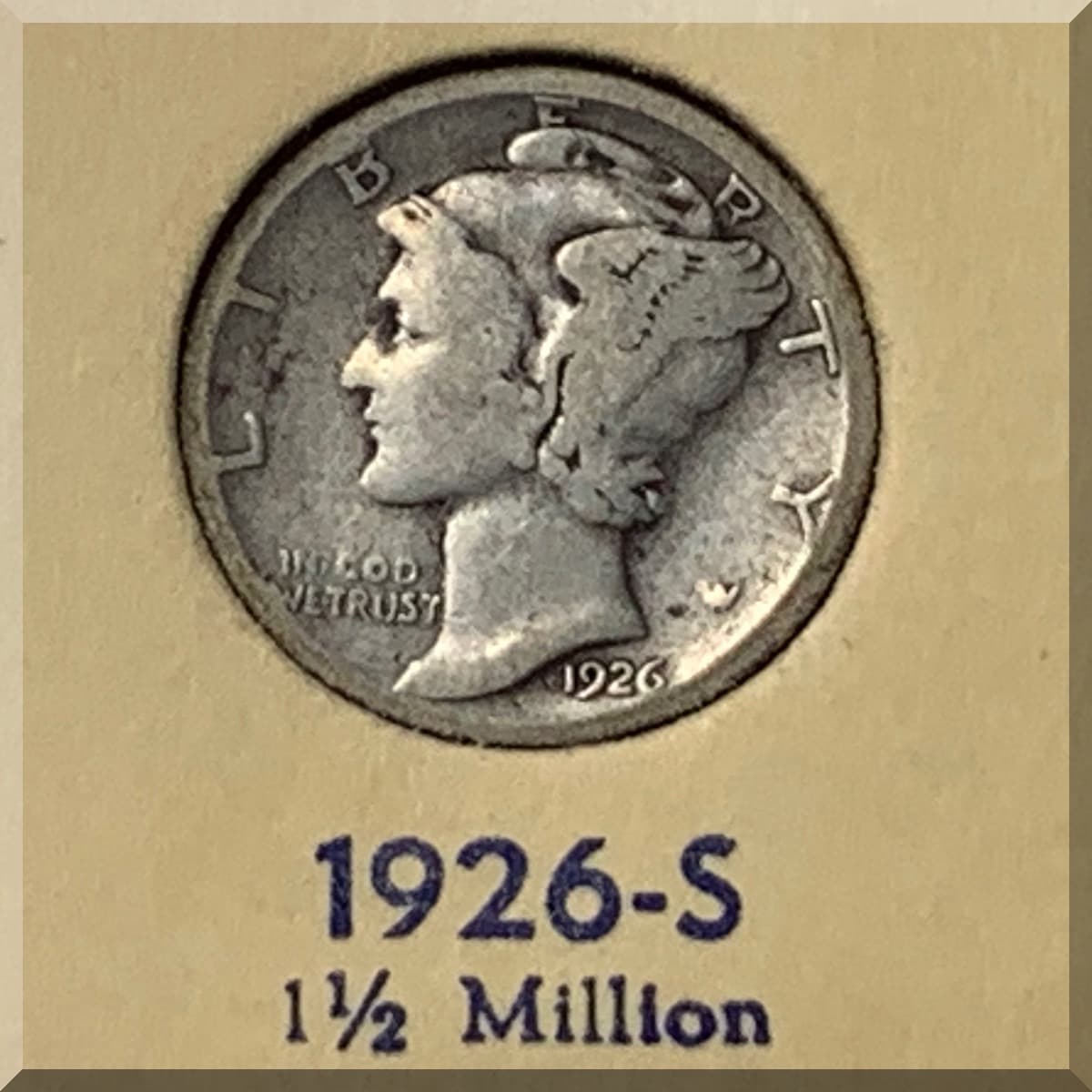
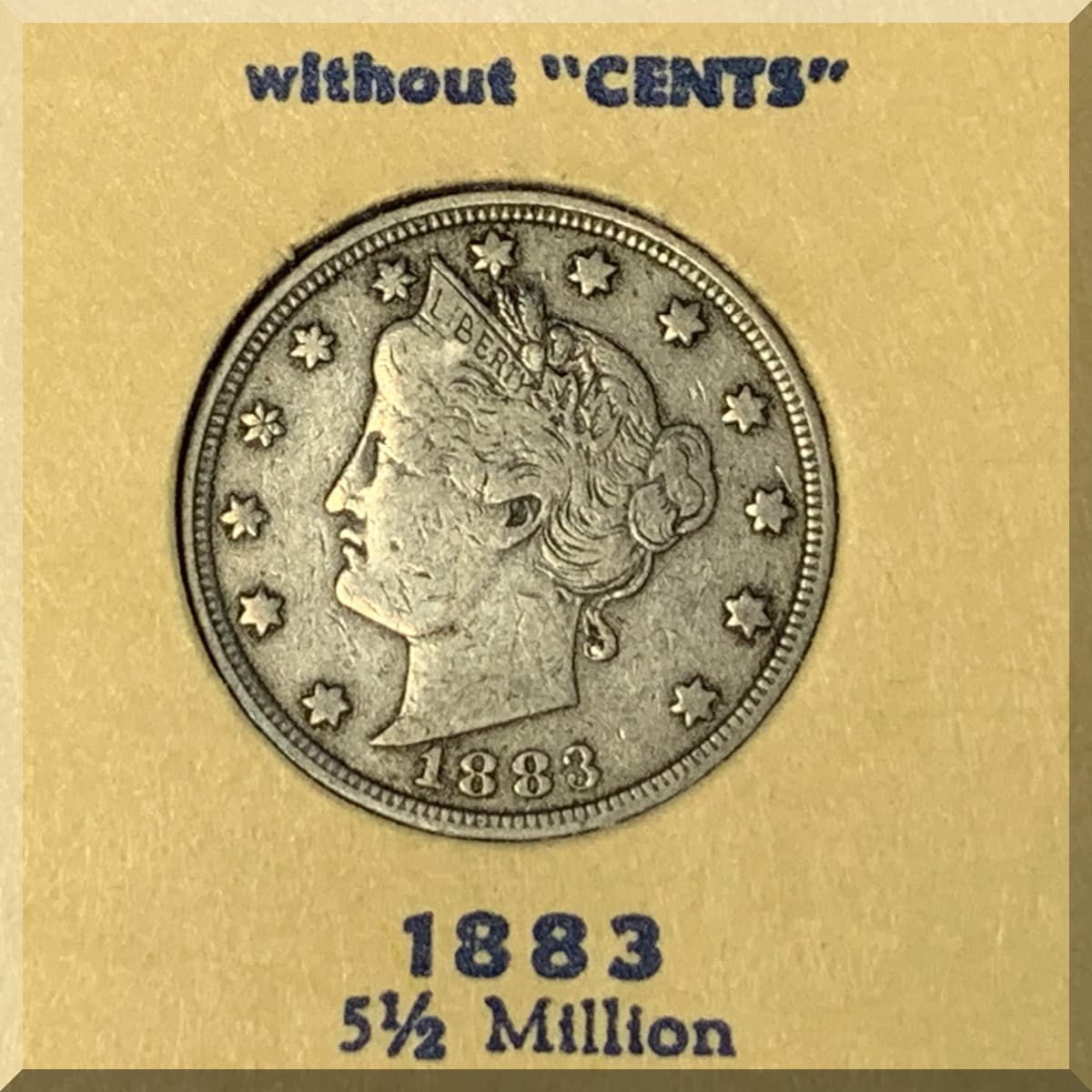
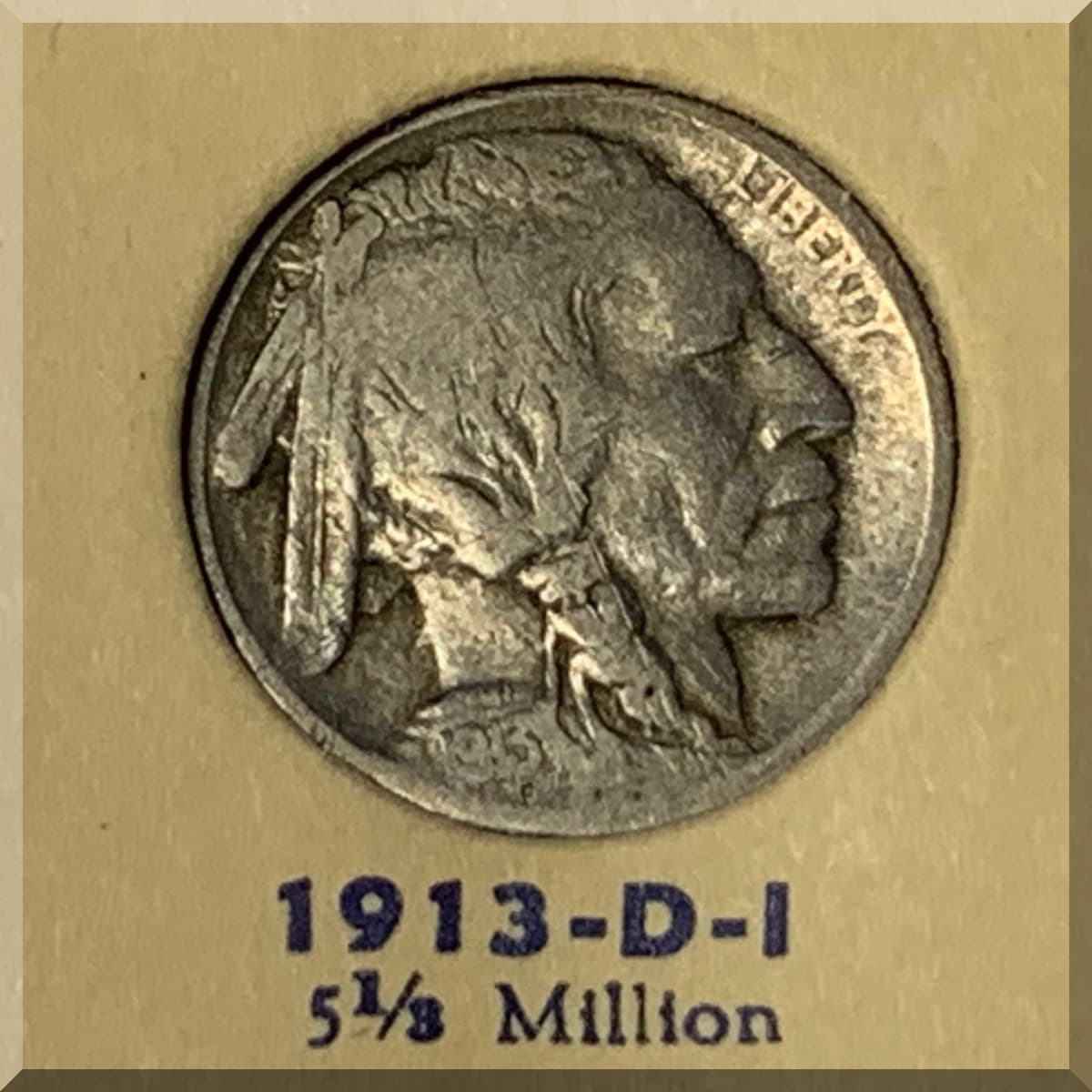
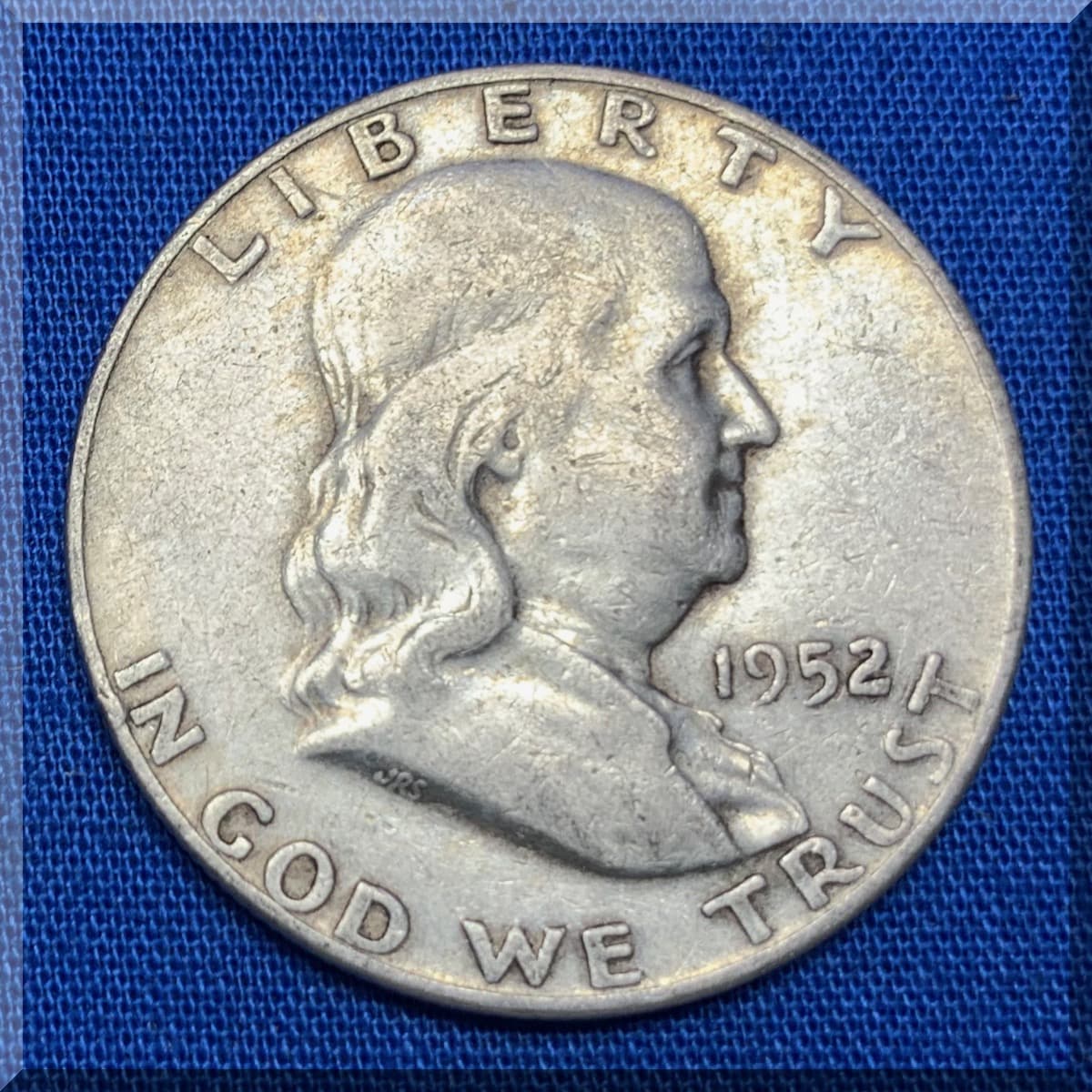
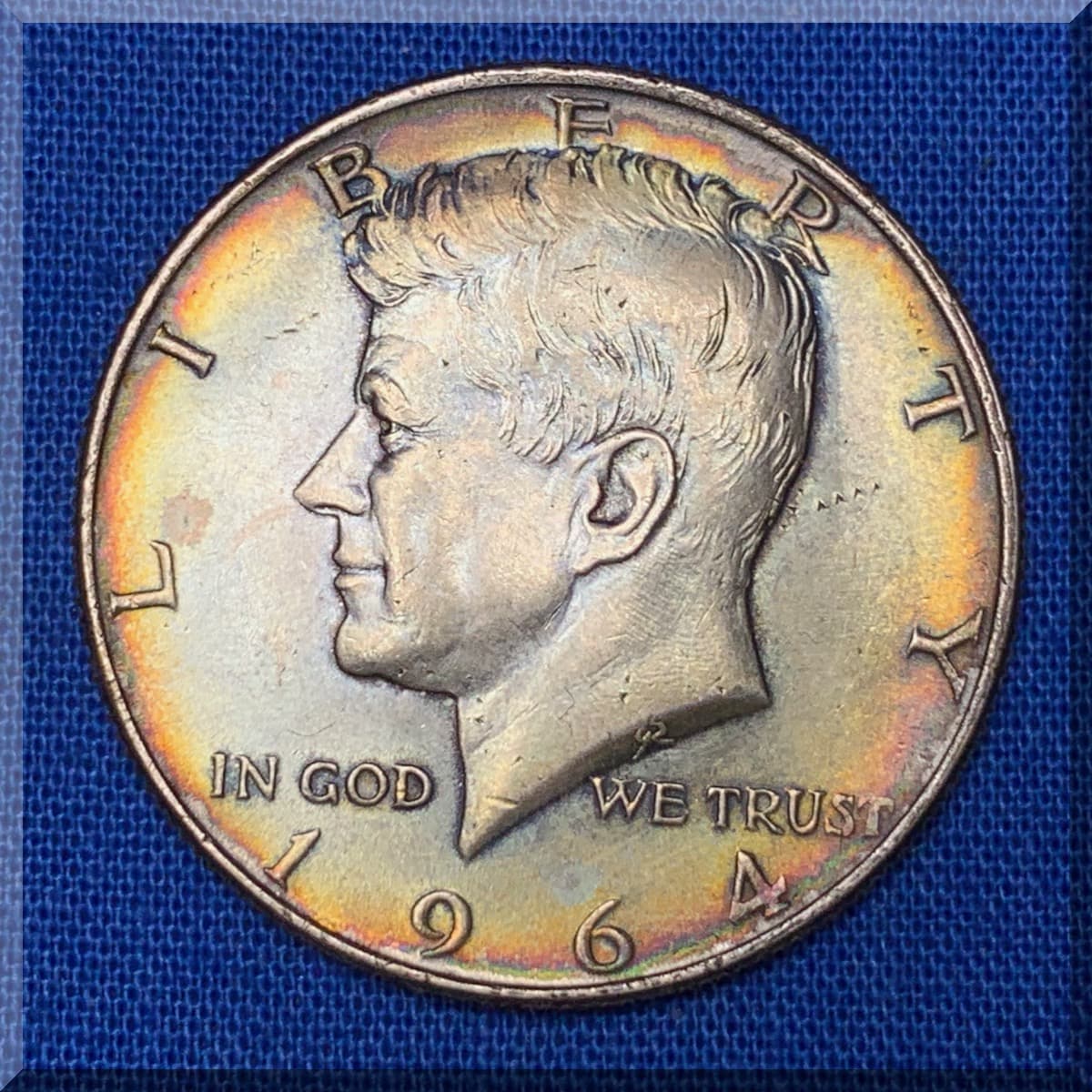
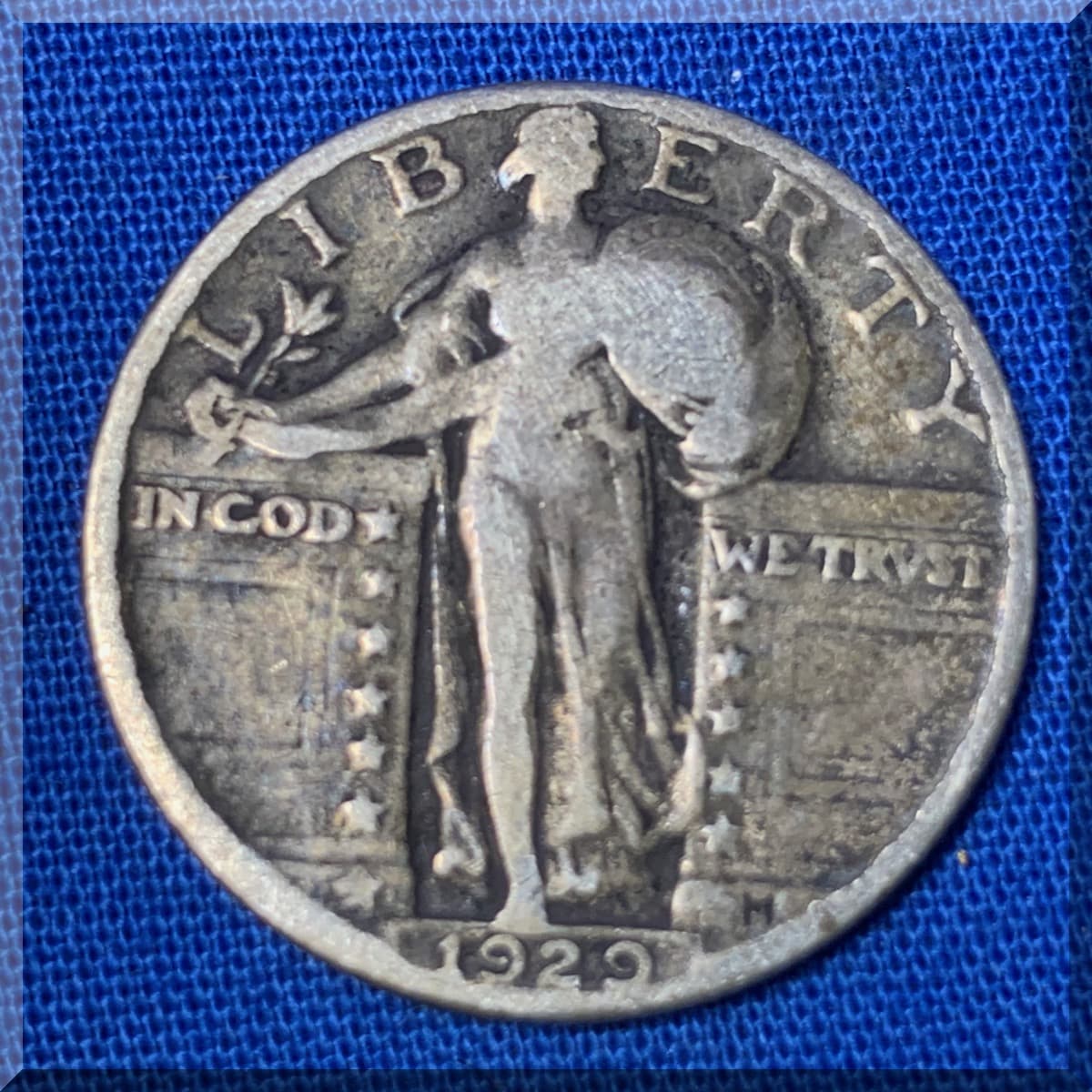
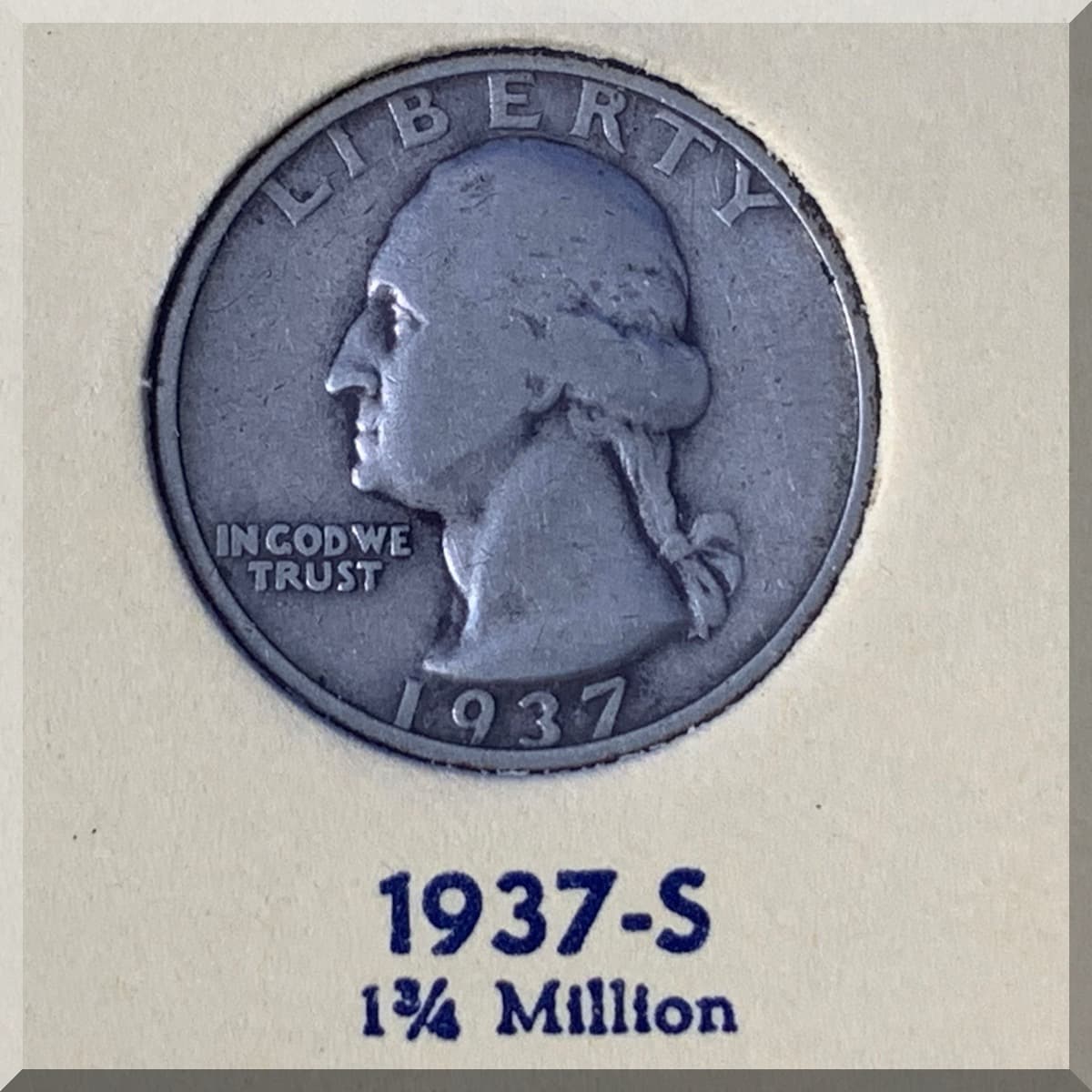
The above photos represent a small cross section of the coins that we have liquidated for our clients. The following are just some of the many items that are found stored in attics, basements, sheds, barns, etc that must be sorted through and prepared for sale or donated, should the family desire.
The Coinage Act of 1792 passed by the United States Congress on April 2, 1792, created the United States dollar as the country's standard unit of money, established the United States Mint, and regulated the coinage of the United States.
Do you have the time that it takes to do a thorough job researching each coin? Would you know how to price each coin? Do you have the proper knowledge to do the job? We never dispose of damaged coins. We do ecommend having certain coins graded as most graded coins have an increased value.
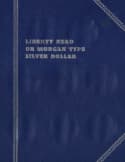


If you are thinking of downsizing or completely liquidating your coin collection, then you should consider hiring AES for the task!
No matter how large or small of a collection AES can do the job.
Circulating US coins exist in denominations of 1¢ (i.e. 1 cent or $0.01), 5¢, 10¢, 25¢, 50¢, and $1.00.
Coins, being metallic, can corrode in damp conditions, like basements. The damage may not be visible to the utrained eye but can alter both the appearance and value of each coin. Using proper storage can also deter any long term issues.
Avoid storing items directly on concrete floors as moisture can penetrate even the best protected items. Avoid storing coins in outdoor storage units, sheds, garages, barns, etc.

Money Saving Tip

© 1986- Andrew's Estate Service - Home